
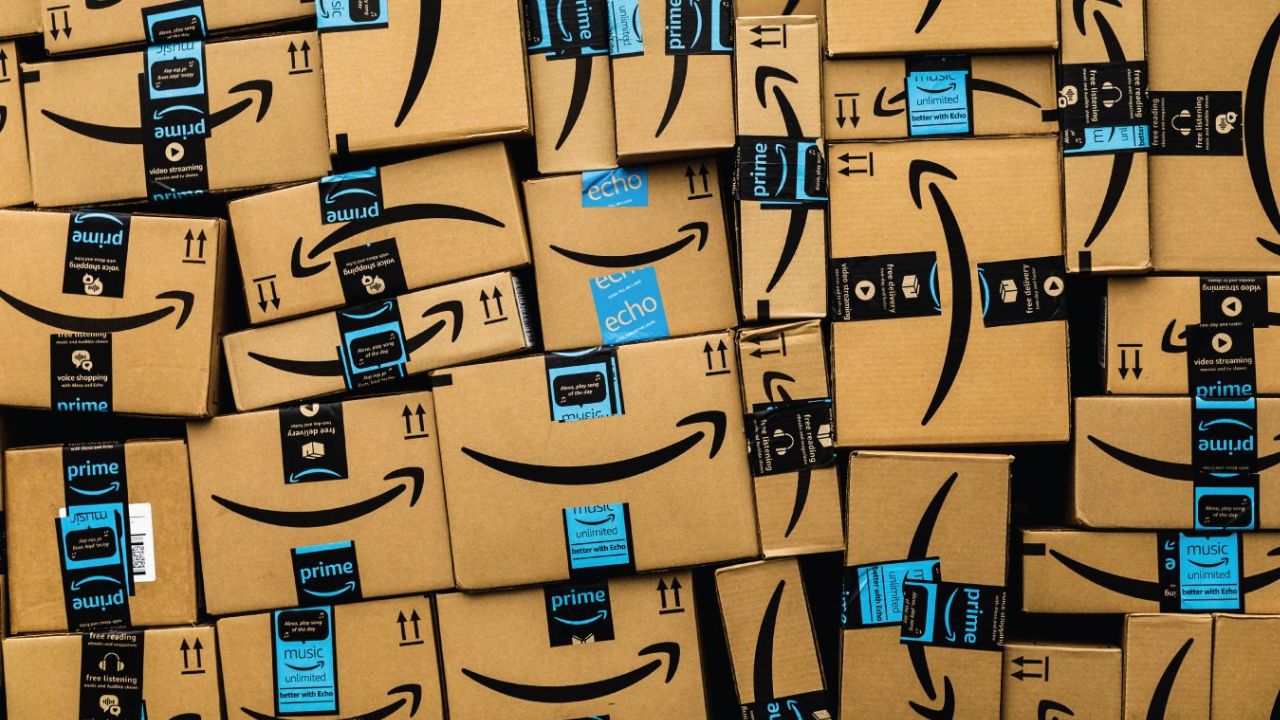
For years, search marketing meant Google. Today, consumer behavior is changing.
According to a study by eMarketer, more than 57% of consumers now begin their product search on Amazon, making the retail giant one of the most influential search platforms in the purchase journey. As Amazon gains share of search advertising dollars and Google’s dominance softens, DTC brands need to rethink how they approach media, measurement, and customer acquisition.
Search Is Bigger Than Google
Consumers increasingly bypass traditional search engines and head directly to Amazon when they’re ready to buy. As a result, SEM can no longer be viewed as a Google-only strategy.
Amazon has evolved beyond an e-commerce marketplace into a powerful search engine where consumers research products, compare options, read reviews, and make purchasing decisions. For brands, Amazon is no longer just a sales channel—it’s a critical demand-capture platform.
TV Doesn’t Just Drive Search—It Drives Amazon Search
Marketers have long known that TV drives branded search activity. Increasingly, that search is happening on Amazon.
We’ve seen one advertiser intentionally direct consumers from TV to Amazon rather than its DTC site. The result: nearly 80% of monthly sales flowed through Amazon, with an 88% correlation between TV investment and Amazon sales.
Another TV-heavy advertiser launched on Amazon and experienced an almost one-to-one shift in sales from its DTC channel to Amazon. Demand wasn’t necessarily growing—it was shifting where consumers chose to purchase.
But that’s not necessarily a problem.
The real question isn’t whether Amazon is taking share from DTC. It’s whether the combined impact of DTC, Amazon, and retail is greater than focusing on DTC alone.
Consumers increasingly choose where they want to buy—whether that’s direct, through Amazon, or in-store. If awareness-driving media is working as intended, broader brand demand should create growth across all channels, helping offset some natural DTC erosion.
For brands investing in TV, Amazon performance shouldn’t be measured in isolation. It should be evaluated as part of total business growth.
Depending on your brands distribution strategy assuming Amazon is part of it, consider mentioning it directly in your creative. A simple cue that your product is available on Amazon can reduce friction and improve conversion.
Winning on Amazon Requires a Strategy
Amazon’s scale is compelling, but brands must balance growth with profitability and customer ownership.
Protect Your Margins
Amazon seller fees, fulfillment costs, and media competition can quickly pressure profitability. Develop a pricing strategy that accounts for the true cost of selling through the platform.
Differentiate Your Product Portfolio
Consider reserving premium products, innovations, and exclusive bundles for your DTC site while offering value-focused or legacy products on Amazon. This allows brands to leverage Amazon’s scale without sacrificing channel differentiation.
Own the Customer Relationship
One of Amazon’s biggest tradeoffs is limited access to customer data. For brands that rely on repeat purchases, subscriptions, or lifetime value, that’s a meaningful challenge.
Packaging inserts, loyalty programs, exclusive offers, and product registrations can help bring Amazon customers back into your owned ecosystem and strengthen long-term customer relationships.
The Bottom Line
The future isn’t DTC versus Amazon—it’s total demand generation.
Too many brands are still measuring channel performance when they should be measuring business growth. Consumers will ultimately decide where they want to buy: direct, in-store, or through Amazon. The brands that win won’t be the ones trying to force customers down a single path. They’ll be the ones that create demand everywhere, capture it anywhere, and build strategies that maximize the value of every purchase—regardless of where the transaction occurs.
As Amazon continues to evolve from a retail marketplace into a search, discovery, and commerce engine, marketers must broaden their definition of success. The question is no longer whether Amazon is taking share from DTC. The question is whether your marketing investments are generating more demand, reaching more buyers, and growing the business overall. In the next era of commerce, the most successful brands won’t optimize for channels—they’ll optimize for customers.
Stay up to date with Rainstorm Direct insights
Thank you!
Someone from Rainstorm Direct will contact you shortly.