
July 01, 2026
How Consumer Viewing Behavior Is Changing Performance Media
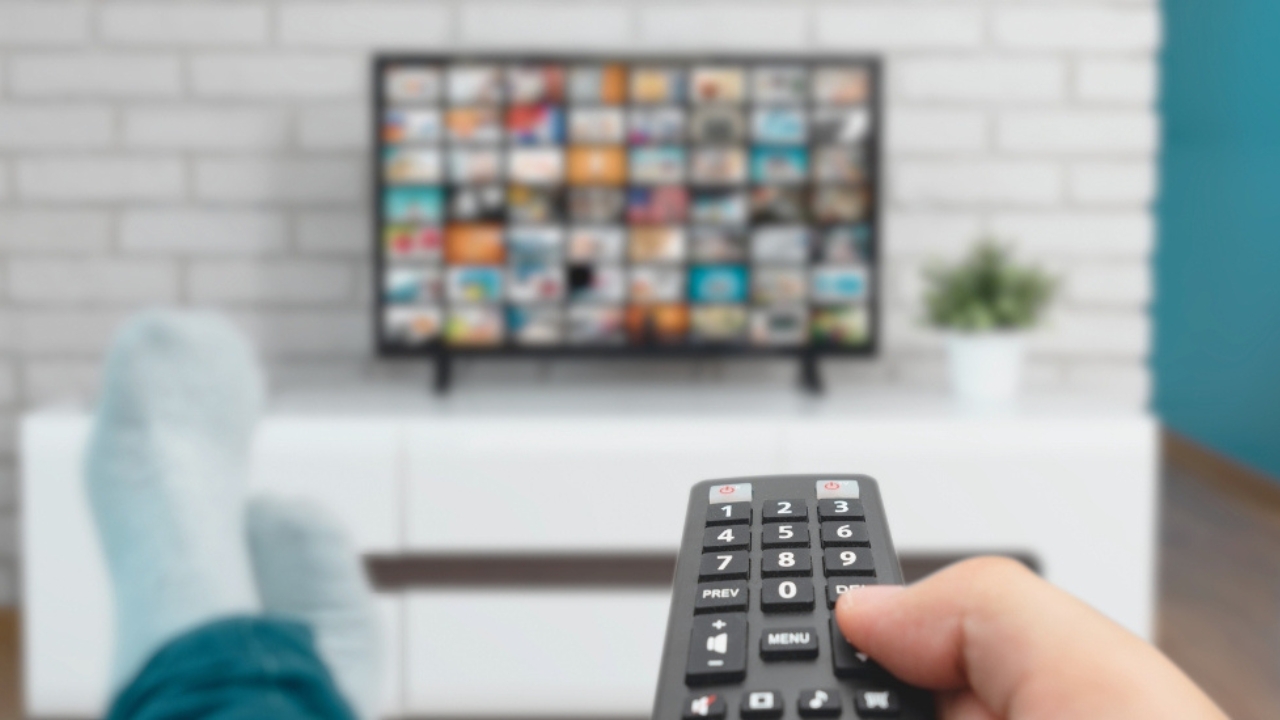
The television landscape has undergone seismic shifts in the past five years. Streaming platforms have proliferated, cord-cutting has accelerated, and viewing habits have fragmented across dozens of apps, devices, and platforms. For performance marketers, these changes are fundamental shifts that require rethinking media strategy, creative execution, and measurement infrastructure.
But here’s what many marketers miss: while viewing behavior has changed dramatically, the opportunity for performance-driven television advertising hasn’t diminished. It’s evolved. Understanding how consumers now watch video content, and what that means for reaching them efficiently, is the difference between chasing yesterday’s playbook and capitalizing on today’s opportunities.
The Fragmentation Reality
The average U.S. household now has access to multiple streaming services alongside traditional cable or satellite. Viewers bounce between linear TV, subscription streaming platforms, ad-supported streaming (AVOD/FAST channels), and short-form video across social platforms, often within the same evening.
This fragmentation creates challenges for brand advertisers accustomed to mass reach through a handful of networks. But for performance marketers, fragmentation creates opportunity. More platforms mean more inventory. More inventory means more negotiating leverage and cost efficiency. More viewing occasions mean more chances to reach prospects in different contexts and mindsets.
The key is understanding where different audience segments have migrated and how their viewing behavior on each platform affects receptivity to advertising messages.
Linear TV: Not Dead, Just Different
Despite breathless headlines about cord-cutting, linear television still commands massive audiences, particularly among demographics with high purchasing power. Cable news, sports programming, and syndicated content continue to deliver concentrated reach during specific dayparts, often at CPMs that streaming platforms can’t match.
What’s changed is who is watching and when. Younger audiences have largely migrated to streaming, but adults 35+ still watch substantial linear TV, especially during daytime, early fringe, and late-night hours. These viewers are often more engaged with advertising because they haven’t trained themselves to expect ad-free experiences. They’re conditioned to watch spots, not instinctively reach for a skip button.
For performance marketers, this creates a cost-efficiency sweet spot. As some advertisers flee linear TV for “sexier” streaming inventory, the audience that remains is often more responsive to direct offers—and the inventory is cheaper than it’s been in years. Networks are motivated to fill spots, which means agencies with strong relationships can access premium placement at significant discounts.
The strategic shift is targeting precision. Rather than broad demographic buys, performance-focused linear campaigns now concentrate on programs, networks, and dayparts where response data shows actual conversion behavior, not just audience composition.
CTV: The Performance TV Channel
Connected TV has matured from experimental channel to performance marketing staple. Platforms like Hulu, Roku, Amazon Freevee, Tubi, and Pluto deliver targeted, measurable video advertising at scale. The promise of CTV for performance marketers is compelling: digital-like targeting combined with TV’s creative canvas and lean-back viewing experience.
But CTV’s maturation has brought challenges alongside opportunities. CPMs have risen as demand has increased. Premium inventory during top-tier streaming content now commands pricing that rivals or exceeds traditional TV. The “cheaper than linear” narrative that defined early CTV no longer holds across the board.
Where CTV excels for performance marketing is granular targeting and attribution. Household-level addressability means you can serve different creative to different audience segments, suppress existing customers, and target lookalike audiences based on conversion data. Server-side ad insertion enables precise frequency capping and sequential messaging strategies. And the measurement infrastructure (tracking from impression to site visit to conversion) provides attribution clarity that linear TV historically lacked.
The strategic evolution is treating CTV not as a monolith but as a spectrum of inventory types with different use cases. Premium subscription platforms with limited ad loads work for reach and awareness among affluent audiences. Ad-supported streaming and FAST channels deliver cost-efficient frequency and direct response at lower CPMs. The mix depends on campaign objectives and target customer profiles.
Binge Viewing and Attention States
Streaming has fundamentally altered how audiences consume content, and these behavioral changes affect advertising receptivity. Binge viewing is now normalized behavior. This creates both challenges and opportunities for performance creative.
The challenge: viewers in binge mode are highly engaged with content and may be more resistant to commercial interruption. The opportunity: those same engaged viewers are in a sustained attention state, making them more receptive to advertising messages that respect their viewing experience and provide genuine value.
This shift has creative implications. The hard-sell, urgency-driven DRTV formula that works well during daytime linear programming may feel jarring during premium streaming content. Performance creative for CTV often requires softer openings, higher production values, and more nuanced calls-to-action that feel less interruptive.
But “softer” doesn’t mean abandoning direct response principles. It’s about adapting the formula to match the viewer mindset. Testimonials still work, but they should feel cinematic. Offers still drive response, but they might be delivered through on-screen graphics rather than voiceover urgency. The product demonstration remains essential, but it should fit the content context.
Testing reveals that the most effective CTV performance creative balances brand polish with direct response structure—spots that don’t look out of place next to the content but still move viewers to action.
Cross-Device Viewing and the Path to Conversion
Consumers now regularly start viewing on one device and continue on another. Someone might see your spot on their living room TV, then look up your brand on their phone during the next commercial break, and complete a purchase on their laptop the next morning. This cross-device behavior complicates attribution but also reveals the true impact of TV advertising on the customer journey.
Advanced measurement platforms now track this behavior through deterministic and probabilistic matching, correlating TV exposures with downstream digital activity across devices. What this data consistently shows: TV-driven customers rarely convert immediately, but they convert at higher rates and with better lifetime value than purely digital-acquired customers.
This insight changes how performance marketers should evaluate TV campaigns. Judging success based solely on same-session conversions misses the majority of TV’s impact. Multi-touch attribution models that credit TV for its role in initiating journeys that convert days later provide a more accurate picture of performance.
The strategic implication is building measurement infrastructure that captures the full funnel. Tracking pixel deployments, UTM parameter strategies, and promo code usage all need to account for the time lag between exposure and conversion that characterizes TV-driven behavior.
Ad-Supported Streaming: The Emerging Middle Ground
The launch and expansion of ad-supported tiers by Netflix, Disney+, and other premium streamers has created a new category of inventory that blends attributes of both traditional TV and digital video. These platforms offer access to engaged audiences watching premium content, with targeting capabilities that approach digital standards.
For performance marketers, these ad-supported tiers represent high-quality inventory at (currently) reasonable CPMs, before demand fully catches up with supply. Early adopters are accessing audiences that were previously unreachable through advertising—subscribers who chose ad-supported plans to save money but who still have disposable income and purchase intent.
The measurement story is still being written. These platforms provide more data than linear TV but less than pure digital channels. Attribution windows vary, and the ability to optimize at the creative and placement level is evolving. But the audience quality and engagement levels make ad-supported premium streaming a valuable testing ground for performance campaigns.
The Converged TV Strategy
The smartest performance marketers are no longer choosing between linear and CTV. They’re running converged TV strategies that combine both, leveraging the strengths of each to maximize reach and efficiency.
Linear TV delivers cost-efficient reach and works especially well for broad-appeal products with mass-market positioning. CTV enables precise targeting and granular optimization for more niche products or specific audience segments. Running both creates frequency across platforms, reaching the same households through multiple touchpoints and accelerating the path to conversion.
This converged approach requires unified measurement that tracks performance across both linear and streaming inventory. Platforms that aggregate spot-level data from linear airings alongside impression-level data from CTV campaigns enable true cross-platform optimization—moving budget toward whatever inventory source is delivering the best cost-per-acquisition, regardless of platform.
Adapting Creative for Context
One of the most significant strategic shifts driven by changing viewing behavior is the need for platform-specific creative optimization. The same spot that drives strong response on cable news at 3 PM may underperform during premium streaming content in the evening. Audience mindset, content context, and platform expectations all influence receptivity to different creative approaches.
Forward-thinking performance campaigns now develop creative suites rather than single spots: a direct response-focused version for linear daytime and syndication, a higher-production-value version for premium CTV, shorter cutdowns for FAST channels with frequent ad breaks, and sequential messaging variants that tell a story across multiple exposures.
This creative proliferation adds production complexity, but testing consistently shows it improves performance. The incremental cost of versioning creative is minimal compared to the efficiency gains from matching the message to the viewing context.
What This Means for Performance Marketers
Consumer viewing behavior will continue evolving, with new platforms, technologies, and consumption patterns emerging constantly. But several principles hold regardless of how the landscape shifts:
Audiences haven’t disappeared—they’ve distributed across more platforms. Total video consumption is up, not down. The opportunity for performance marketers is larger than ever; it just requires broader platform literacy and more sophisticated buying and measurement capabilities.
Cost efficiency comes from understanding where audiences have migrated and getting there before costs rise. Early CTV adopters enjoyed spectacular CPMs; later entrants are paying digital rates. The same pattern will repeat with emerging platforms.
Creative must adapt to context, but core direct response principles still drive results. Demonstrating the product, articulating clear benefits, building credibility through proof points, and providing an unmistakable call-to-action work across all platforms. The execution just needs to fit the viewing experience.
Measurement sophistication is non-negotiable. Multi-touch attribution, cross-device tracking, and incrementality testing aren’t nice-to-have luxuries. They’re essential infrastructure for understanding true TV performance in a fragmented landscape.
Capturing the Opportunity
The fragmentation of viewing behavior has made TV advertising more complex. It requires understanding multiple platforms, managing inventory across linear and streaming, versioning creative for different contexts, and implementing measurement that tracks cross-device journeys. This complexity intimidates some marketers into abandoning TV altogether or limiting investment to small, ineffective tests.
But complexity also creates competitive advantage for those willing to develop the expertise. Brands that master converged TV strategies, leveraging both linear and CTV, adapting creative to context, and measuring performance rigorously, are acquiring customers at costs that digital-only competitors can’t match, while building awareness that compounds across all channels.
Consumer viewing behavior has changed, but the fundamental dynamic hasn’t: people still watch massive amounts of video content, and that attention can be captured and converted by marketers who understand the medium. The playbook has evolved. The opportunity remains.
Stay up to date with Rainstorm Direct insights
Thank you!
Someone from Rainstorm Direct will contact you shortly.